





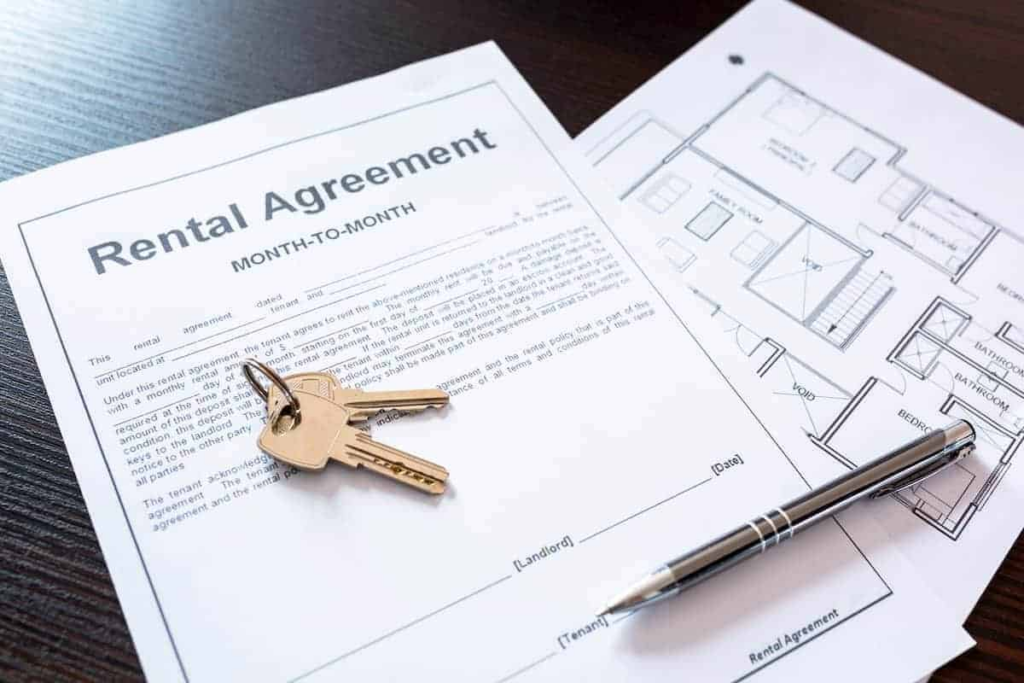
Renting a home or offering one for rent is a big responsibility. That is why having a clear rental lease agreement form is so important. This document protects both the landlord and the tenant by clearly stating the rules, payments, and responsibilities involved in the rental arrangement. When you understand what is written in the contract, you avoid confusion, stress, and possible legal problems later on. In the United States, rental agreements for landlords are common for houses, apartments, and condominium units, and knowing the basics can help you feel more confident before signing anything.
Understanding the Basics of a Rental Contract
What Is a Rental Contract?
A rental contract, also called a lease agreement, is a legally binding document between the lessor (landlord or property owner) and the lessee (tenant). It explains the terms and conditions of renting a property. Once both parties sign the agreement, they are required to follow everything written in it. If either side fails to follow the contract, there may be legal consequences.
In simple terms, the lessor provides the property, and the lessee pays rent in exchange for the right to live in or use the space under agreed conditions.
Why a Rental Contract Is Important
A rental contract is more than just paperwork. It clearly states how much rent must be paid, when it is due, how long the tenant can stay, and what rules must be followed. It also explains policies about pets, visitors, repairs, and other important matters.
For both landlords and tenants, this written agreement serves as protection. If problems arise, such as unpaid rent or property damage, the contract can help settle the issue fairly. Even if the rental period is short, having a signed agreement ensures that both sides understand their rights and duties.
Key Terms and Clauses You Should Know
Names of Tenants and Occupants
All adults who will live in the rental property should be listed in the contract and must sign it. This makes every adult legally responsible for paying rent and following the rules. If one tenant fails to pay, the landlord can still collect the full rent from the others.
The contract should also state who is allowed to stay in the property. For example, it may say that only the listed tenants and their minor children can live there, and guests can only stay for a limited number of days. This helps prevent unauthorized occupants.
Description of the Property
The rental agreement should clearly state the full address of the property. It should also list any furniture, appliances, parking spaces, or other features included in the rental. If there are areas that the tenant cannot use, these should be clearly mentioned as well.
This detailed description protects both sides by making sure everyone knows what is included in the rental.
Length of Tenancy
The contract must clearly state the start date of the lease and how long it will last. Some rental agreements run for six months or one year and may automatically renew unless either party decides to end it. Others are fixed-term leases that end on a specific date.
Being clear about the duration helps avoid confusion about when the tenant should move out or when the lease can be renewed.
Rent Payment Terms
The agreement should clearly state the amount of rent and the exact due date, which is often the first day of each month. It should also explain how the rent must be paid, such as through bank transfer, post-dated checks, or other approved methods.
Late payment fees and penalties for bounced checks should also be written in the contract. Clear payment terms help prevent misunderstandings between landlord and tenant.
Security Deposit and Advance Rent
In the Philippines, the rules on deposits and advance rent are guided by the Rent Control Act of 2009. Under this law, landlords are generally allowed to collect up to one month’s advance rent and two months’ deposit. Rental increases are usually limited to once a year.
The contract should explain how the security deposit may be used. It can cover unpaid rent, utility bills, or damages beyond normal wear and tear. It should also state when and how the deposit will be returned after the tenant moves out.
Repair and Maintenance Responsibilities
The rental agreement should clearly divide responsibilities for repairs and maintenance. Tenants are usually expected to keep the property clean and handle minor issues. They must also report any damage or dangerous conditions to the landlord right away.
Major repairs, especially those related to the structure or essential systems like plumbing and electricity, are typically the landlord’s responsibility. The contract should also state whether tenants are allowed to make changes, such as painting walls or installing fixtures, and whether written approval is required.
House Rules and Building Policies
Most rental contracts include important house rules. These may cover:
- Prohibition of illegal activities
- Rules about noise to maintain peace
- Smoking policies, including vaping
- Pet policies, including types and number of pets allowed
If the rental is a condominium unit, the building’s rules and regulations are usually included as part of the agreement. This ensures tenants follow both the landlord’s rules and the condominium management’s policies.
Move-In and Move-Out Policies
The contract should also explain the move-in and move-out process. For move-in, this may include inspection of the property, documentation of its condition, and proper handling of keys.
For move-out, the agreement should describe cleaning expectations, return of keys, and the process for checking the property’s condition. It should also explain how and when the security deposit will be returned.
Final Thoughts
A rental contract is one of the most important documents in any rental arrangement. Whether you are a landlord or a tenant, always read the agreement carefully before signing. Make sure you understand every clause, from rent payments to repair responsibilities. If something is unclear, ask questions and request clarification.
By taking the time to review your rental lease agreement form properly, you protect your rights, avoid future disputes, and ensure a smoother and more secure renting experience in the Philippines.