

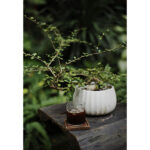



In the midst of London’s fast pace, private outdoor space offers something increasingly precious: a place to pause. Townhouse gardens, while often compact and enclosed, hold enormous potential when designed with intention. Far from being an afterthought, these gardens can become essential parts of the home, supporting wellbeing, entertaining and everyday enjoyment.
A carefully considered London Townhouse Garden is about more than visual appeal. It is about how the space feels, how it functions, and how it evolves over time. With the right balance of structure, planting and materials, even the smallest garden can feel purposeful and welcoming.
Responding to the Realities of City Living
London townhouse gardens are shaped by their urban surroundings. Overlooking buildings, boundary walls and restricted access are common features. Light levels can vary dramatically throughout the day, and noise from nearby streets or neighbouring homes can influence how comfortable a space feels.
Successful garden design begins by acknowledging these realities rather than ignoring them. Privacy becomes a priority, but so does openness. Greenery is used not just for decoration, but to soften sound, improve outlook and create a sense of escape from the city beyond the walls.
By designing with context in mind, the garden feels grounded and appropriate, rather than imposed or disconnected from its setting.
Making Small Spaces Feel Considered
In a townhouse garden, every square metre matters. Clear planning ensures the space works efficiently without feeling overcrowded. Defined zones help organise the garden and give it rhythm. A dining or seating area close to the house supports daily use, while planting rich areas further away encourage relaxation and visual interest.
Paths and sightlines are equally important. Guiding the eye through the garden helps it feel larger and more dynamic. Subtle shifts in level or direction can add depth and break up long, narrow layouts.
Rather than filling the garden with features, restraint often delivers the strongest result. Simplicity allows materials, planting and proportions to speak for themselves.
The Role of Materials in Townhouse Gardens
Materials play a significant role in shaping the character of a townhouse garden. In London, where many homes have period features, materials that reference the existing architecture often feel most appropriate. Natural stone, brick and timber create a timeless quality that ages gracefully.
Consistency is key. Repeating materials across paving, steps and raised beds creates a cohesive look that feels calm and intentional. In smaller gardens especially, this visual continuity helps prevent the space from feeling fragmented.
Durability is also essential. Townhouse gardens are often used frequently, so materials must withstand regular foot traffic and changing weather without losing their appeal.
Planting With Intention
Planting brings warmth, texture and movement to a garden, but in an urban setting it must work hard. Structural planting provides year round form, while seasonal planting introduces colour and variation. This combination ensures the garden remains attractive throughout the year, even when flowers are not in bloom.
Vertical planting is particularly effective in townhouse gardens. Walls and boundaries offer opportunities for climbers, espaliered trees and wall mounted planters. These elements increase greenery without reducing usable floor space and help soften hard surfaces.
Planting can also improve privacy and comfort. Dense foliage filters views, absorbs sound and creates a more natural environment, even in the heart of the city.
Privacy Without Isolation
One of the most important qualities of a successful townhouse garden is a sense of privacy. People should feel comfortable using the space without feeling exposed, yet the garden should not feel closed or oppressive.
Layered solutions work best. A combination of planting, screens and carefully positioned features provides privacy while maintaining light and airflow. These elements can be integrated into the overall design so they feel like part of the garden rather than additions.
By softening boundaries instead of blocking them entirely, the garden remains open, balanced and welcoming.
Lighting for Atmosphere and Use
Lighting has a transformative effect on a garden. In London townhouse gardens, where evenings are often the main time for outdoor use, lighting extends functionality and enhances atmosphere.
Low level lighting along pathways improves safety, while feature lighting highlights planting and textures. Warm tones create a relaxed mood and make the garden feel inviting after dark. When lighting is designed alongside the garden rather than added later, it becomes an integral part of the overall experience.
A Garden Designed to Last
A well designed townhouse garden is not static. It grows, matures and adapts over time. Planting fills out, materials weather, and the space becomes more settled and personal. Designing with longevity in mind ensures the garden remains relevant and enjoyable for years to come.
In a city where space is limited and outdoor areas are highly valued, a thoughtfully designed London townhouse garden offers lasting benefits. It provides a private retreat, enhances everyday life and adds meaningful value to the home. With careful planning and expert design, even the most compact garden can become a place of calm, character and connection.