Although a slow-draining sink may seem like a little annoyance, it may sometimes be a sign of a much larger issue that is growing underneath your home. Sewer lines are crucial for keeping a clean and functioning home because they transport wastewater away from plumbing fixtures. Clogged, broken, or damaged subsurface pipes may make daily chores like showering, cleaning the dishes, and flushing the toilet difficult. Homeowners may prevent significant damage, offensive smells, and costly emergency repairs by identifying the early signs of sewage line problems.
Knowing What Takes Place In Sewer Lines
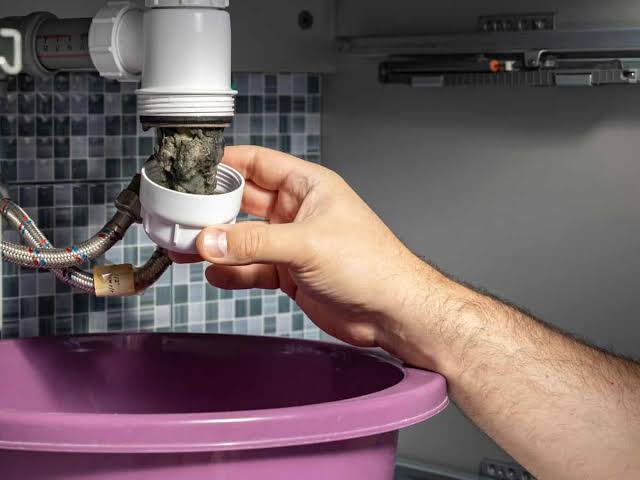
Water enters a system of pipes linked to the main sewage line each time it passes through a home drain. Wastewater is transported away from the property via this subterranean system. However, food particles, oil, soap residue, and other items may progressively build up within the pipes, limiting the flow of water.
A major sewage line blockage may damage many plumbing fixtures at once, unlike a conventional drain clog, which usually only affects one fixture. Instead of depending on short-term cleaning remedies, homeowners with persistent drainage issues could benefit from expert inspections.
Homeowners may receive expert evaluations from finding the Best Plumbing in Houston to determine if the issue is a localized blockage or a more major underground pipe problem.
A Potential Early Warning Sign Of Slow Drains
Water draining more slowly than normal is one of the first signs of sewage system problems. Even though single obstructions are frequent, concurrent drainage problems in many locations need further attention.
For instance, limited wastewater circulation may be indicated by water gathering around a shower drain while another fixture is in operation. In a similar vein, a toilet that consistently has trouble flushing despite regular maintenance may be a sign of an impending blockage.
Chemical drain cleaners should not be used as a first line of treatment for these symptoms. Certain plumbing materials may sustain harm from repeated chemical treatments if the underlying reason is not addressed. A more trustworthy method of figuring out what’s going on is via a professional examination.
Strange Plumbing Noises And Durable Odors
Unexpected noises might sometimes be a sign of sewer issues. After using a washing machine, gurgling toilets, bubbling drains, or strange sounds might be signs of trapped air due to ventilation issues or drainage constraints.
Another red flag is persistent sewage smells. The purpose of wastewater systems is to keep sewer gasses out of residential areas. Homeowners should look into potential obstructions, broken seals, or ventilation issues when smells start to occur around drains, restrooms, or outdoor plumbing locations.
While chronic scents mixed with drainage issues call for expert care, an occasional smell does not always indicate a damaged sewage line.
Damage To Underground Pipes And Tree Roots
Not all sewage line issues start inside the house. Subterranean pipes are subject to natural earth movement, dampness, and shifting soil conditions. These environmental elements may eventually erode pipe connections or cause structural problems.
Another problem is tree roots. Roots may infiltrate sewage pipes via existing gaps or weak joints because they are naturally drawn to moisture. Once inside, they have the potential to grow and collect debris, which might potentially result in major obstacles.
Additionally, corrosion, degradation, or joint separation may occur in older pipes. Because clearing a blockage won’t fix structural damage on its own, determining the precise reason is crucial.
When Sewage Backups Result From Sewer Issues
When wastewater cannot pass through the drainage system and instead returns via home fixtures, a sewage backlog occurs. This may result in tainted water showing up in floor drains, showers, or toilets.
Because sewage may include dangerous bacteria, such problems need to be addressed very away. Homeowners should cease using contaminated plumbing fittings, stay away from polluted water, and seek expert help.
When urgent sewage line issues need for precise diagnosis and suitable repair techniques, selecting the Best plumbing in Houston may be extremely crucial.
Contemporary Techniques For Sewer Line Problem Diagnosis
In order to monitor subterranean pipelines without needless excavation, professional plumbers are increasingly using specialized inspection cameras. These cameras may show issues such as collapsed parts, collected debris, and root incursion.
Technicians may suggest mechanical cleaning, hydro jetting, targeted repairs, or pipe replacement based on the results. Although their efficacy relies on the accessibility and condition of the pipes, trenchless repair methods may also be appropriate for certain broken sewage lines.
A comprehensive examination helps guaranty that the suggested remedy deals with the real issue rather than just momentarily enhancing drainage.
Conclusion
Slow drains are generally the first sign of sewer line problems, which eventually lead to significant wastewater backups. Property damage and unforeseen repair costs may be decreased by identifying warning indications, comprehending possible causes, and promptly obtaining expert help. For residential sewage systems to continue operating dependably, proper maintenance and precise diagnosis are still necessary.